Carpenters and joinery specialists both work with wood, but their skills and areas of work are distinct. Each profession contributes to construction and design in different ways. While carpenters often focus on structural and site-based work, joinery specialists usually work on detailed, pre-made wooden components in a workshop setting before installation.
Work environment:
Carpenters typically work on construction sites, handling structural elements such as roof frames, flooring, and timber frameworks. Their tasks are often carried out outdoors or in partially built structures. A
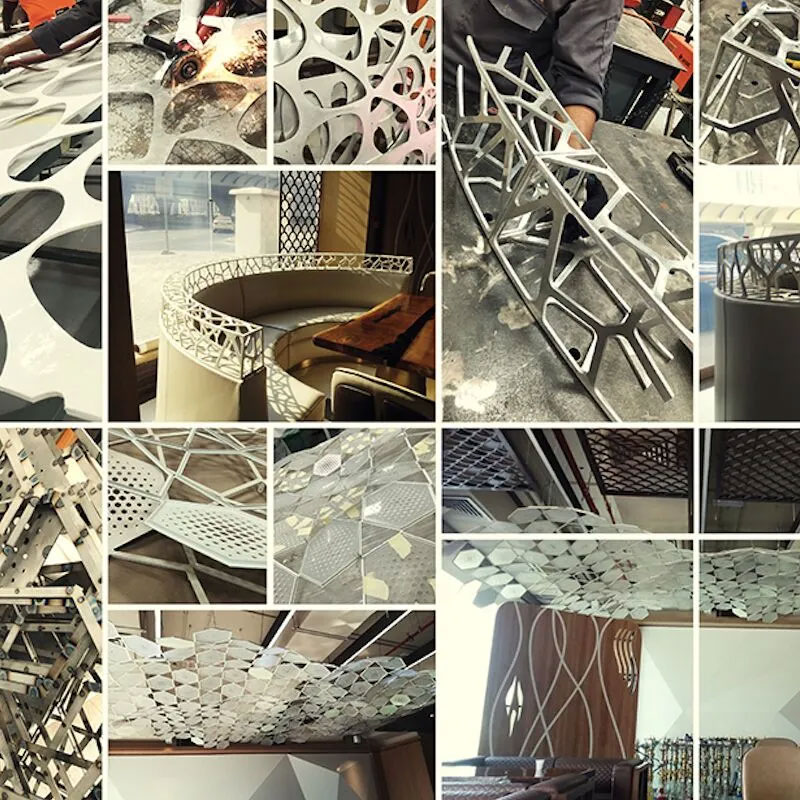
joinery specialist Dubai, instead, typically works in workshops where conditions allow for precise, detailed craftsmanship.
Type of projects:
A carpenter’s projects are often larger and involve structural work. This includes building frameworks, installing timber supports, and assembling outdoor wooden structures. Joinery specialists focus more on furniture, cabinetry, staircases, and decorative wooden elements that entail fine detailing.
Tools and equipment:
Both professions use a variety of tools, but the selection often differs based on the nature of their work. Carpenters frequently use portable tools such as hammers, drills, and saws suitable for on-site adjustments. Joinery specialists use both hand tools and specialised workshop machinery like planers, spindle moulders, and band saws for precision shaping.
Joinery work generally demands a higher level of fine detail, as the pieces are often visible and part of interior finishes. Carpenters focus more on functionality and structural strength, though accuracy is still essential for their work.
Materials used:
While both work with timber, joinery specialists may use a wider variety of woods, including high-quality hardwoods for decorative purposes. Carpenters may focus more on structural-grade timber that can withstand environmental exposure and heavy loads.
Installation work:
Carpenters frequently install large wooden structures on-site, such as decking, frames, or outdoor timber buildings. Joinery specialists sometimes perform installation, but their main contribution is creating the components in the workshop before they are delivered and fitted.
Training and skills:
Carpenters develop skills in structural assembly, measurements, and site safety. Joinery specialists develop expertise in creating intricate joints, shaping wood with precision, and finishing techniques that improve the appearance of the final product. In many projects, carpenters and joinery specialists work together. For example, a joinery specialist might produce a set of custom doors in the workshop, and a carpenter would install them on-site.